The Importance of Play-Based Learning in Early Childhood
Every parent wants the best for their child's education, and one of the most effective approaches in early childhood is play-based learning. Research consistently shows that children who learn through play develop stronger cognitive, social, and emotional skills than those in purely academic settings.
What is Play-Based Learning?
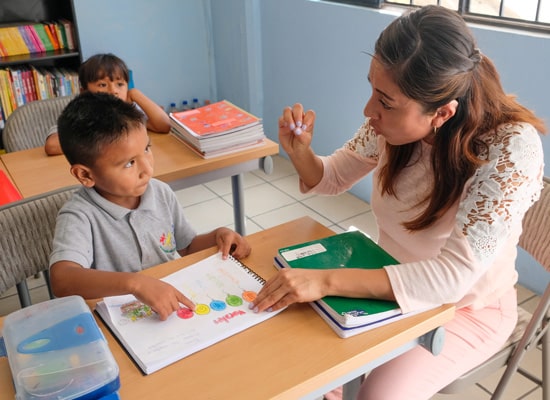
Play-based learning is an educational approach where children engage in purposeful play activities that promote exploration, creativity, and problem-solving. Unlike traditional rote learning, this method allows children to discover concepts naturally through hands-on experiences.
At Kiddopia Play School in Sohna, we integrate play into every aspect of our curriculum. From building blocks that teach math concepts to role-playing games that develop language skills, every activity has a learning objective wrapped in fun.
Key Benefits of Play-Based Learning
1. Cognitive Development
When children play, they exercise their brains. Puzzles improve problem-solving abilities, building blocks teach spatial awareness, and pretend play develops abstract thinking. These activities create neural connections that form the foundation for academic learning.
2. Social and Emotional Skills
Through group play, children learn to share, take turns, negotiate, and resolve conflicts. These social skills are essential for success in school and life. At Kiddopia, we create plenty of opportunities for collaborative play.
3. Language Development
Play naturally encourages conversation. Whether it's describing their artwork, narrating a pretend story, or singing rhymes, children develop vocabulary, sentence structure, and communication confidence through play activities.
4. Physical Development
Active play — running, climbing, dancing, and crafting — develops both gross and fine motor skills. Our outdoor play area and indoor activity zones at Kiddopia ensure children get plenty of physical engagement throughout the day.
5. Creativity and Imagination
Play gives children the freedom to imagine, create, and innovate. Art projects, dramatic play, and open-ended toys help children develop creative thinking skills that will serve them throughout their lives.
How Kiddopia Implements Play-Based Learning
At Kiddopia Play School & Day Care in Sohna, our trained educators design age-appropriate play activities that target specific developmental goals. Our daily schedule includes sensory play, art and craft sessions, outdoor games, music and movement, story time, and free play — all carefully planned to maximize learning while keeping children happy and engaged.
If you're looking for a play school in Sohna that truly understands how children learn best, we invite you to visit Kiddopia and see our approach in action.